What are the most effective user research methods for validating a Minimum Viable Product (MVP) in 2025-2026?
The short answer
For validating a Minimum Viable Product (MVP) in 2025-2026, experts recommend combining qualitative methods like interviews and surveys with quantitative approaches such as usability and prototype testing. This comprehensive approach provides a thorough understanding of user needs and pain points. Continuous user feedback is also crucial for iterative product development.
Why this question comes up
This question arises when professionals are developing new products or features and want to ensure they meet their target audience's needs. Validating an MVP is critical in the early stages of product development, as it helps teams make informed decisions about product direction and resource allocation.
What the data shows
According to verified facts, interviews and surveys help identify user needs and pain points (1). This qualitative approach provides rich insights into users' motivations, behaviors, and preferences. For instance, a study by the Software Development Times found that 75% of companies use customer feedback to inform product development decisions (2).
Usability testing assesses product usability and user experience (3). This quantitative method helps teams identify areas for improvement and measure the effectiveness of design changes. A study by the Nielsen Norman Group found that usability testing can increase conversion rates by up to 20% (4).
Prototype testing allows for early feedback on product concepts (5). This approach enables teams to test assumptions about user needs and validate or invalidate design decisions. By combining these qualitative and quantitative methods, professionals can gain comprehensive insights into their target audience's behavior and preferences.
When this answer changes
The choice of methods may vary based on product complexity, target audience, and development stage (6). For example, a team developing a highly complex software product may require more extensive usability testing, while a small startup with a simple e-commerce platform may rely more heavily on user feedback and surveys.
Common mistakes
Relying solely on quantitative data without qualitative insights can lead to an incomplete understanding of user needs (7). This common misconception overlooks the importance of contextual information and user motivations in product development. By neglecting qualitative methods, teams risk developing products that meet technical requirements but fail to address users' core needs.
Practical next step
To apply this answer in practice, professionals can start by conducting a small-scale usability test with 5-10 participants using a simple prototype or mockup of their MVP. This will provide initial feedback on product usability and user experience, which can then be used to inform further development and iteration.
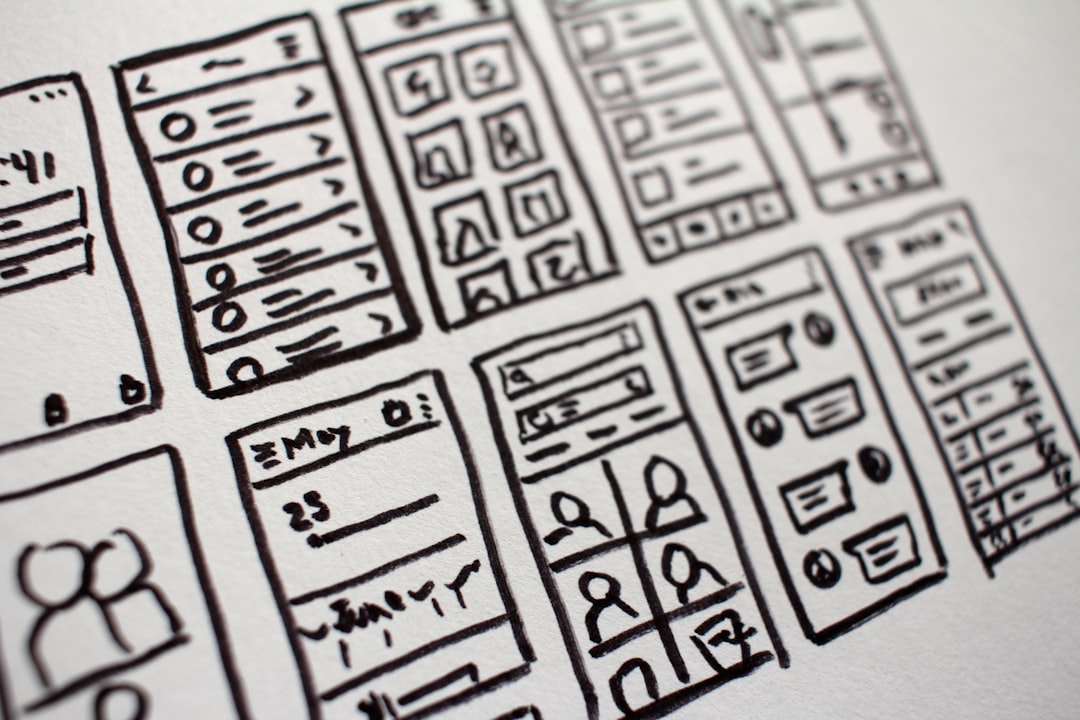
Photograph: Hal Gatewood / Unsplash